Replantea Blog

Los 8 mejores tés para el otoño: especiados, terrosos y reconfortantes

The 8 Best Teas for Autumn

on Feb 25 2022
Autumn is one of the best seasons of the year. It begins to cool down, and the trees slowly begin to awaken, displaying a range of orange and yellow colors. It's also the perfect time to enjoy teas with spicy, earthy, and warm flavors. In this list, we recommend 9 teas and infusions perfect for enjoying autumn, giving you a boost of energy, and strengthening your immune system.
Propiedades y Beneficios del Té Negro

Properties and Benefits of Black Tea

on Feb 25 2022
Black tea has been almost the only type of tea available in the West for hundreds of years. This delicious beverage has an intense flavor, with floral, smoky, and spicy undertones. The health benefits of black tea make it a staple in traditional Chinese and Indian medicine.
Té azul o té oolong

All about Blue Tea or Oolong Tea

on Feb 25 2022
What is blue tea or oolong tea? | Properties of oolong tea | Contraindications of oolong tea | Where to buy oolong tea When it comes time to decide which tea to drink today, it can be difficult to choose from the endless variety of options. Today, I'll tell you everything you need to know about blue tea or oolong tea , one of the favorite tea categories for lovers and connoisseurs of this fascinating world. Clarifying note: Although in Spain it has been given the name blue tea to differentiate it from other categories, in China and practically the rest of the world it is known simply as oolong tea or wu-long tea. What is blue tea or oolong tea? Blue tea, or oolong tea , is one of the five major categories of tea made from the leaves of the Camellia sinensis plant, along with white tea , green tea , black tea , and pu-erh tea . The term oolong literally translates as "black dragon tea." Oolong tea is halfway between green tea, which is not oxidized, and black tea, which is fully oxidized. For this reason, oolong tea is sometimes called partially oxidized . This tea is an indispensable part of the Chinese Gongfu tea ceremony, which has been practiced for hundreds of years in the Fujian region. The Gongfu ceremony is similar to the Japanese tea ceremony. Origin of oolong tea There is a legend about the origin of oolong tea in China. During the Qing Dynasty, a farmer in Fujian was picking tea leaves one morning when he saw a deer. He then chased the deer away, unable to return to finish picking the tea leaves until the next day. Upon returning, he noticed that the leaves had partially oxidized and were giving off a surprising aroma. The farmer was surprised to find that the tea had a completely different sweet taste and lacked the typical bitterness. Since the farmer was nicknamed Oolong, the tea was given this name. Production and cultivation Blue tea, or oolong tea, is produced primarily in China and Taiwan. The tea leaves are harvested over multiple seasons, usually beginning in early spring. Once harvested, the leaves undergo a semi-oxidation process. Oolong teas are oxidized between 8 and 80 percent, depending on the type of tea. Once the desired oxidation point is reached, tea masters apply heat to the leaves to interrupt the oxidation. Finally, the leaves are shaped, usually into balls or pearls. RELATED INFORMATION How is tea produced? Flavor and aroma of oolong tea The flavor of blue tea, or oolong tea, varies greatly depending on the degree of oxidation . Lightly oxidized oolongs have a light body with a sweet, floral flavor. Heavily oxidized oolongs, however, have a more robust flavor with toasted and earthy notes. Theine content Blue tea, or oolong tea, contains an average of 35-40 mg of caffeine, which is quite low compared to a cup of coffee, which contains about 200 mg. Tea also contains L-theanine, an amino acid that slows the absorption of caffeine. This means that tea provides a longer-lasting energy boost without the crash. RELATED INFORMATION All About L-Theanine: How It Works and Its Benefits 5 Properties of blue tea or oolong tea Blue tea or oolong tea has a multitude of properties according to traditional Chinese medicine, these are some of them: Sharpen your wits. Prevents cavities. Prevents osteoporosis. Prevents cardiovascular diseases. Reduces arthritis. Prevents diabetes. Minimizes atherosclerosis. Reduces high cholesterol and blood pressure. Improves skin diseases such as atopic dermatitis. Stimulates the immune system. In recent years, numerous scientific studies have demonstrated some of these properties: 1. Increases concentration The caffeine and L-theanine content in oolong tea helps maintain concentration. A study published in the British Journal of Nutrition showed that oolong tea not only increases alertness and concentration but can also boost energy metabolism. 2. Helps you lose weight Oolong tea contains 0 calories, although it has a slightly sweet taste, making it ideal for replacing sugary soft drinks or energy drinks, which will greatly contribute to weight loss. Various studies have found that oolong tea also helps increase fat oxidation and stimulates metabolism . One study in particular showed that people who drank oolong tea burned fat 12% faster than those who drank only water. RELATED INFORMATION The Best Teas for Weight Loss 3. Protects the heart Studies show that regular tea drinkers have a lower risk of heart disease , the exact reason is unknown, but it is believed to be due to the antioxidant content present in tea. These studies show that regular tea consumption reduces markers of heart disease, such as bad cholesterol (LDL) and triglycerides. Oolong tea also helps lower blood pressure thanks to its anti-inflammatory components. 4. Improves dental health The high fluoride content of tea leaves may be beneficial for dental health. Research published by Oxford University showed that tea polyphenols help prevent tooth decay, remove plaque, and fight oral infections. 5. It is rich in antioxidants Blue tea, or oolong tea, contains high levels of polyphenols, which act as antioxidants, preventing oxidative damage caused by free radicals. One of these most studied antioxidant compounds is EGCG, or epigallocatechin gallate, which has been found to have great potential for combating chronic diseases and even aging. RELATED INFORMATION Antioxidant Components of Tea: Polyphenols and Catechins Contraindications Blue tea, or oolong tea, has been consumed for centuries and is considered safe. The only known contraindications are those derived from caffeine consumption. Excessive caffeine consumption can lead to anxiety, headaches, insomnia, or rapid heart rate. The European Food Safety Authority considers up to 400 mg of caffeine per day safe. Since a cup of oolong tea contains approximately 40 mg of caffeine, you could drink up to 10 cups of tea without consuming too much caffeine. The EFSA reduces this daily caffeine intake for pregnant women to 200 mg. Where to buy oolong tea? You can find oolong tea of ​​various qualities in specialty tea shops. At Replantea, we offer 100% organically grown oolong tea, specifically Jade Oolong tea, which is perfect for beginners in this tea category, thanks to its smooth, delicate flavor and clean, floral aroma . Sources - Yi, D., Tan, X., Zhao, Z., Cai, Y., Li, Y., Lin, X. Zhang, Q. (2014). Reduced risk of dyslipidaemia with oolong tea consumption : A population-based study in southern China. British Journal of Nutrition, 111 (8), 1421-1429. - Kwan-Wai Ng, Zi-Jun Cao, Hu-Biao Chen, Zhong-Zhen Zhao, Lin Zhu & Tao Yi (2018) Oolong tea: A critical review of processing methods, chemical composition, health effects, and risk , Critical Reviews in Food Science and Nutrition, 58:17, 2957-2980. - Arpita Basu, PhD, Edralin A. Lucas, PhD, Mechanisms and Effects of Green Tea on Cardiovascular Health , Nutrition Reviews , Volume 65, Issue 8, August 2007, Pages 361–375. - Siro I. Trevisanato, Ph D, Young In Kim, MD, FRCP(C), Tea and Health , Nutrition Reviews , Volume 58, Issue 1, January 2000, Pages 1–10.

Té Rojo Pu Erh: 7 propiedades, beneficios y cómo prepararlo

The 7 Properties of Red Tea or Pu Erh That Are Beneficial for Your Health

on Feb 25 2022
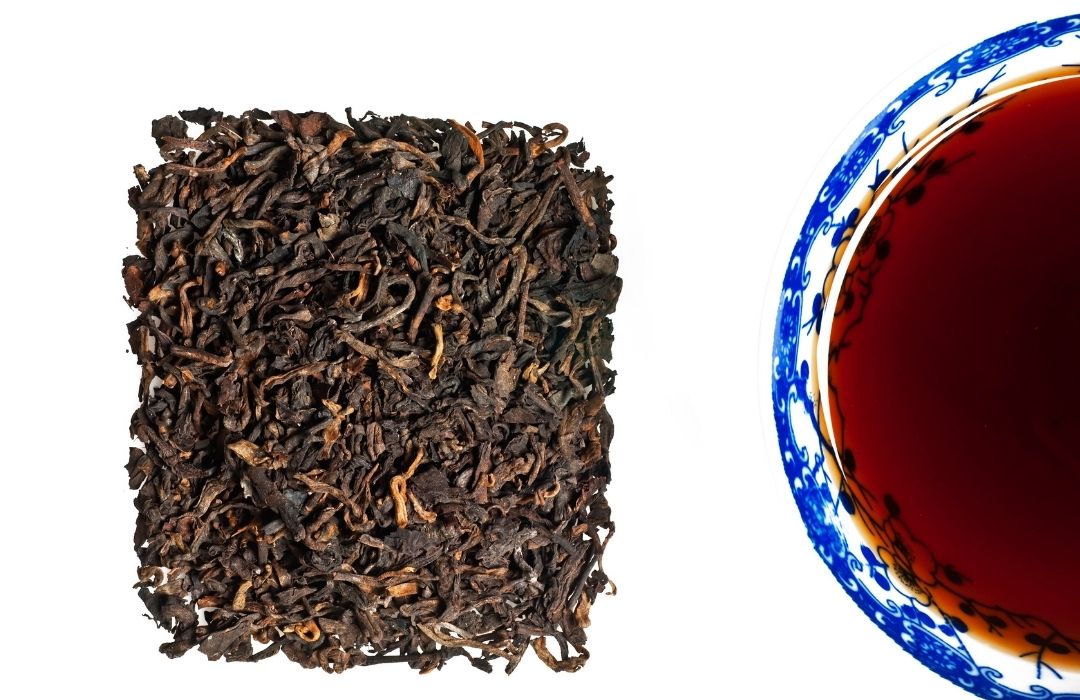
Red tea, or Pu-Erh, has gained significant popularity in Spain (and the rest of the West) in recent years due to its diuretic and medicinal properties. Read on to learn a little more about this fermented tea and its benefits, proven by numerous studies.
Preparando té

Tea for Beginners: Which to Choose and How to Prepare It?

on Feb 25 2022
Drinking a cup of tea a day is a great way to stay healthy and happy. Tea is a complex beverage with different flavors, varieties, and preparation methods that depend on the growing regions, traditions, and production methods. This leads to thousands of types of tea, a nearly endless world if we include herbal infusions.
Infusiones de Ortiga

What Properties Does Nettle Infusion Have?

on Feb 25 2022
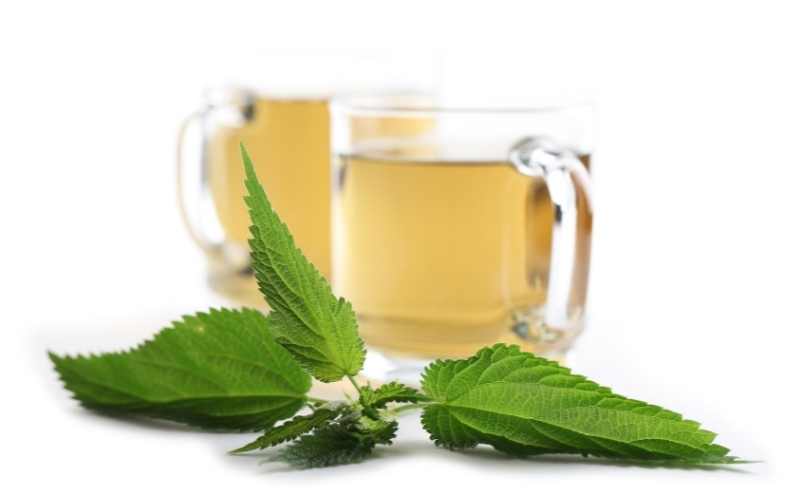
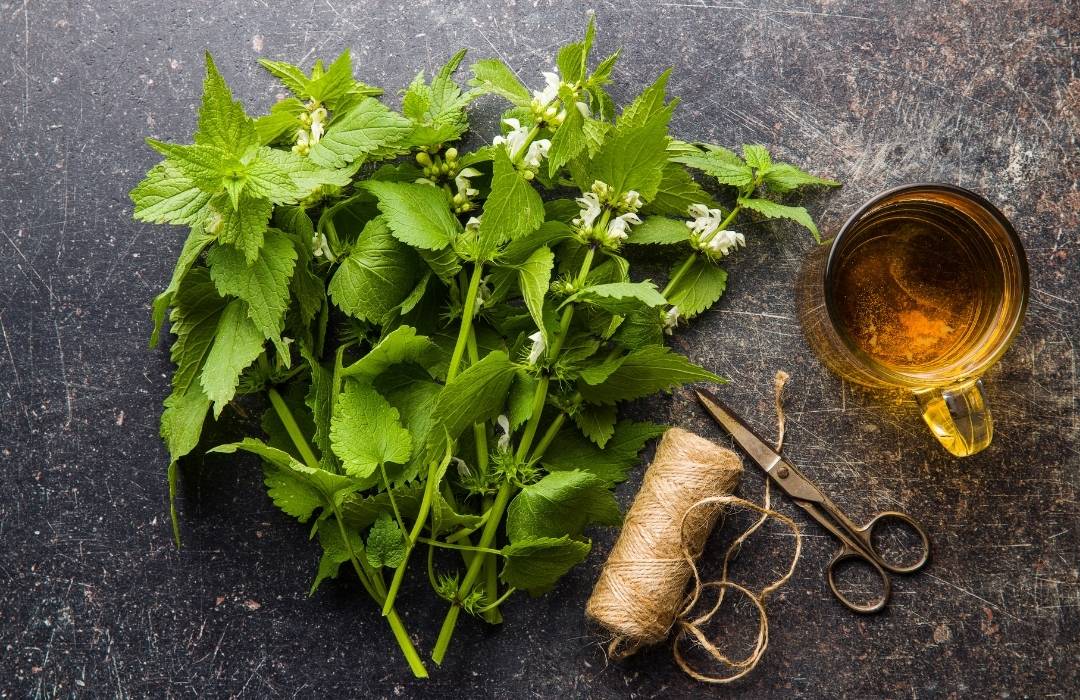
Nettle infusion has been used to naturally treat conditions such as gout, urinary tract infections, and prostate inflammation. Continue reading this article if you want to learn more about the science-backed health benefits of nettle. I'll also recommend some nettle infusions and inform you about their contraindications.
Componentes Antioxidantes del Té: Polifenoles y Catequinas

Antioxidant Components of Tea: Polyphenols and Catechins

on Feb 24 2022
You've probably heard about the antioxidants in tea, the positive effects of polyphenols and catechins, or ECGC (epigallocatechin gallate), but you probably don't know what they really are or how they work.
Té Matcha

Matcha Tea Guide: Benefits, Grades, Accessories

on Feb 24 2022
Matcha tea is all the rage; you can find it everywhere. There are matcha tea ice creams, matcha tea muffins and cookies, matcha lattes, and even matcha tea Kit-Kats. This delicious Japanese green tea is here to stay, and science is discovering new health benefits of matcha tea every day.
Camellia sinensis

Camellia Sinensis, the Tea Plant

on Feb 24 2022
The Camellia sinensis plant is the reason we can enjoy a delicious cup of tea. It's responsible for producing the most consumed beverage in the world, the source of numerous stories and legends, and the way of life for millions of people.
Hoja de té en diferentes fases de producción

How is tea produced?

on Feb 24 2022
Whether you enjoy a refreshing iced tea or a hot cup of tea, the production method of this beverage makes a difference in flavors and aromas. From harvesting to drying, tea leaves undergo changes that can mean the difference between a delicate, sweet white tea and a robust, potent black tea.
¿Por qué beber té?

Why Drink Tea?

on Feb 24 2022
When tea lovers are asked, "Why should I drink tea?" the easiest answer would be, "Why not?" The benefits of drinking tea are so numerous that they're difficult to summarize. From enjoying a wide variety of flavors and aromas to improving health, to comforting yourself with a warm cup of tea on cold days or refreshing yourself with iced tea in the summer.
Infusiones para ayudar con el estreñimiento

6 Infusions to Help with Constipation

on Feb 23 2022
Fortunately, there are some infusions that can help relieve the dreaded constipation because they contain natural laxative properties.
Infusiones antiinflamatorias: 5 hierbas con respaldo cientifico

Anti-inflammatory Infusions: 5 Herbs to Improve Your Health

on Feb 23 2022
Inflammation is a bodily process designed to help the body heal itself. However, sometimes inflammation becomes chronic, causing pain and various diseases. Inflammation is linked to muscle and joint pain, menstruation, stomach pain, and irritable bowel syndrome.
Por qué estoy tan cansado

Why Am I So Tired? Causes and Solutions

on Feb 23 2022
In this article, you'll learn the most common reasons people feel tired and exhausted, along with helpful solutions and natural energy boosters for each situation.
Infusiones de tomillo para la tos

9 Infusions to Naturally Relieve Coughs

on Feb 23 2022
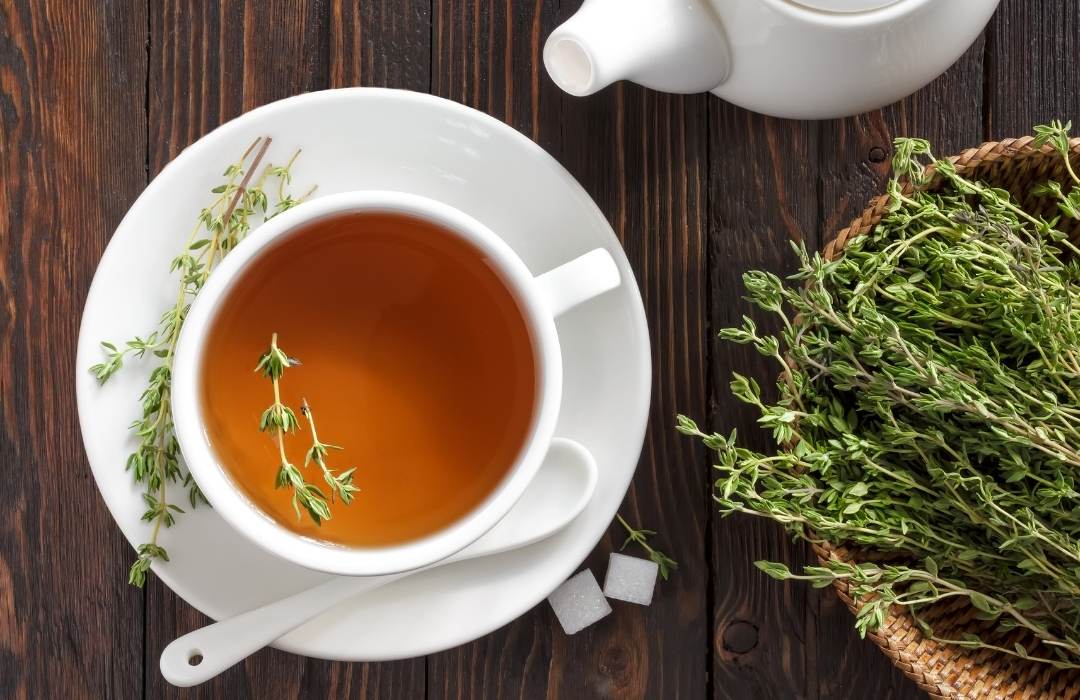
Herbal infusions are one of the best home remedies when you're feeling ill. A piping hot cup can help soothe a sore throat while providing the fluids your body needs to fight the infection. Would you like to know which are the best infusions to relieve coughs and other flu symptoms? Just keep reading.
Infusiones de jengibre para adelgazar: ¿funcionan? Lo que dice la evidencia

Ginger infusions: are they effective for weight loss?

on Feb 23 2022
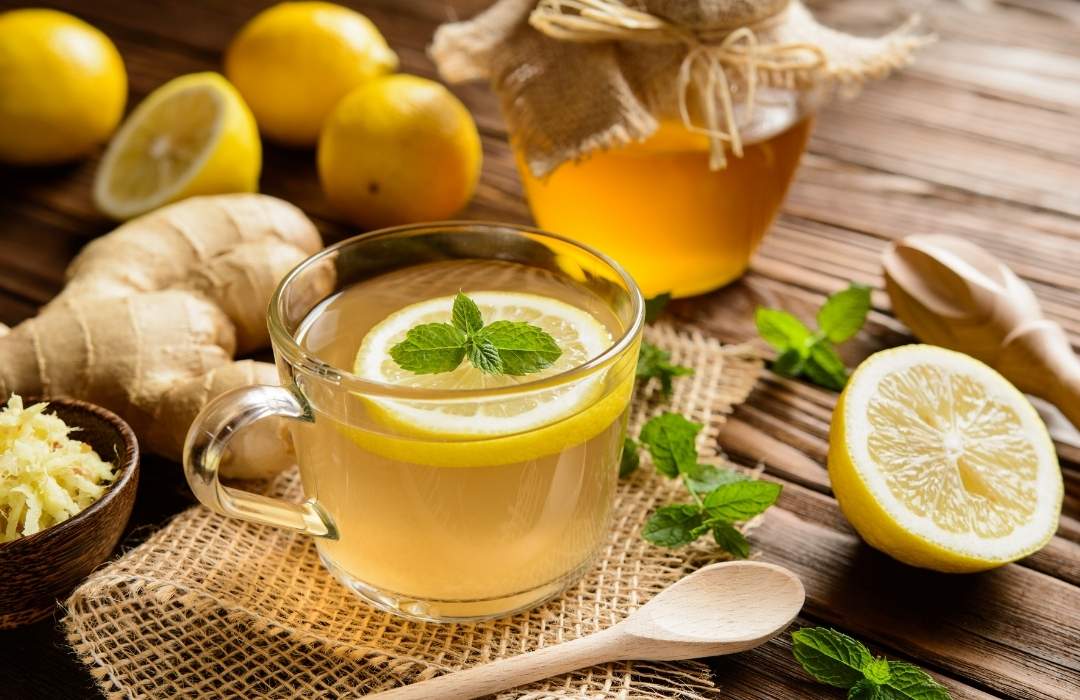
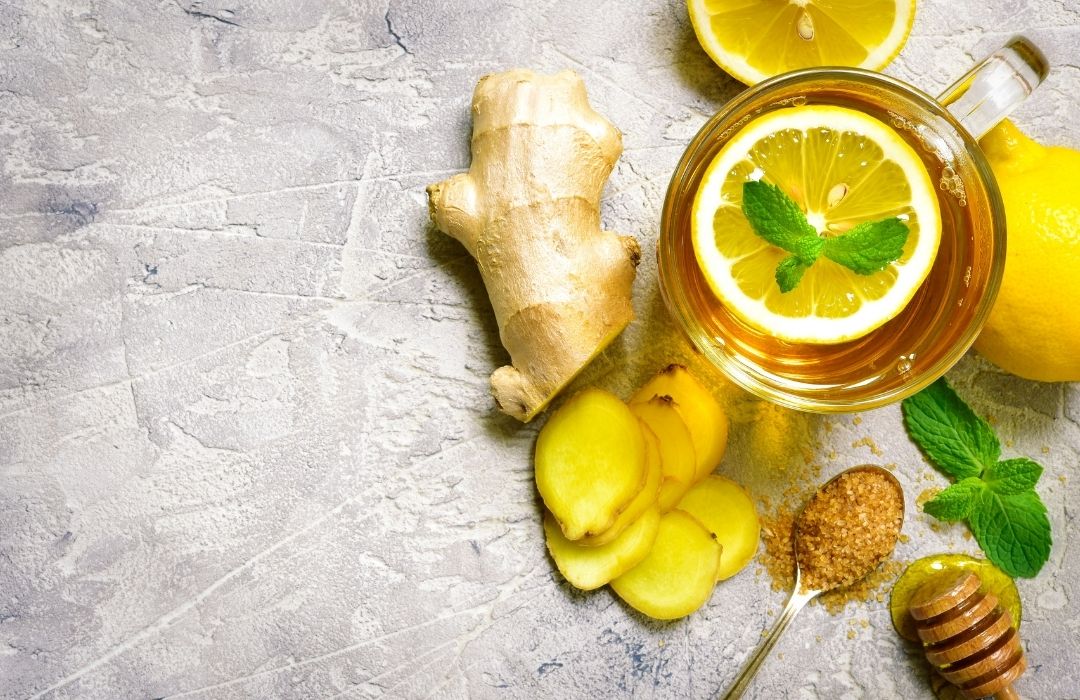
Ginger has been a root valued by humans for over two thousand years. Ginger infusions renew blood circulation, increasing the feeling of well-being throughout the body. In recent years, ginger's popularity has increased due to its ability to aid weight loss. In this article, I'll tell you what you need to know about this exotic spice.
Infusiones de jengibre beneficios

9 Incredible Benefits of Ginger Infusions

on Feb 23 2022
Used in traditional Chinese and Indian medicine as a way to connect with spirituality, ginger has health benefits for both the body and mind.
Infusión de cúrcuma

Turmeric Infusion: Healthy, Delicious, and Easy to Prepare

on Feb 22 2022
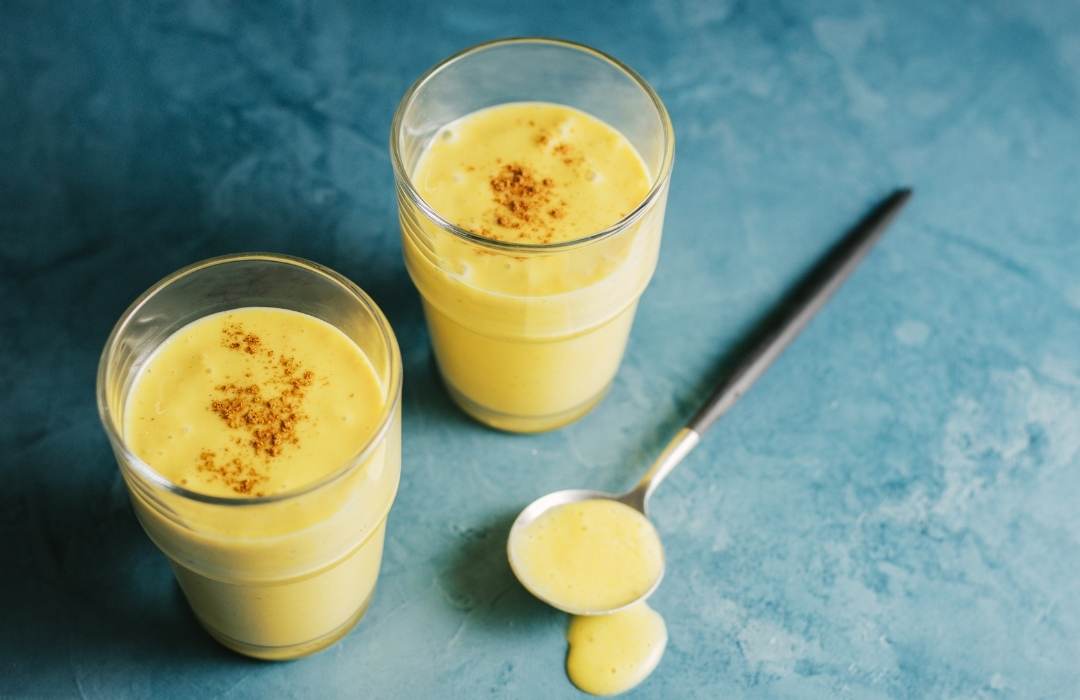
Turmeric infusions are a tonic that boosts overall health with an earthy and spicy aroma. If you want to know the reasons for their incredible health benefits and learn how to make a delicious turmeric infusion, just keep reading.
Tés para adelgazar

The Best Teas for Weight Loss

on Feb 22 2022
Instead of drinking sugary sodas and taking diet pills, simply incorporate one of these teas into your daily routine. These slimming teas will help you lose weight faster, while you enjoy the process.
Infusión de Hoja de Olivo

Olive Leaf Infusion: Properties and Benefits

on Feb 22 2022
Olive leaves, Olea euroaea L. , have been used in various traditional remedies in Mediterranean countries such as Spain, Greece, Italy, Turkey, and Tunisia. They are typically used as extracts, infusions , or powder. The properties of olive leaves come mainly from their phenolic components, such as oleuropein, for its antioxidant, anti-inflammatory, antihypertensive, and cholesterol-regulating effects. Read on to learn a little more about the health benefits of olive leaves and the scientific studies that support them. Polyphenols in olive leaves Olive leaves are known for their beneficial effects on metabolism , these properties are attributed to the large amount of polyphenols they contain. These polyphenols are produced when the olive tree reacts to attacks by insects and other pathogens, in response to the diseases they cause in the tree. The highest concentration of phenolic compounds is found in olive leaves. The most abundant components in olive leaves are oleuropein, followed by hydroxytyrosol, and they are responsible for the positive health effects described below. Properties of Olive Leaf Antioxidant power Heart health Reduces hypertension Prevents diabetes 1. Antioxidant Power Oxygen and nitrogen are essential to our metabolism. They are continuously produced in the human body and are controlled by endogenous enzymes such as superoxide dismutase and catalase. When these compounds are produced in excess or there is overexposure to external oxidizing substances such as solar radiation or tobacco smoke, damage occurs to valuable molecules such as DNA and proteins in our bodies. This damage is associated with heart disease, cancer, and other chronic illnesses. There is evidence that antioxidant compounds can prevent this oxidative damage , and that increasing the intake of foods rich in these elements reduces the risk of suffering from these diseases. The oleuropein present in olive leaves has been shown to be a potent antioxidant with significant anti-inflammatory properties , capable of neutralizing free radicals that cause cellular damage. 2. Heart health Phenolic compounds in olive leaves and olive oil in the Mediterranean diet have been associated with a lower incidence of heart disease. These olive leaf compounds may prevent the negative effects of oxidative metabolism, delaying atherosclerosis. Atherosclerosis is a disease in which fat, cholesterol, and other substances are deposited inside the arteries. 3. Reduces hypertension Olive leaf infusion is well-known as a traditional treatment for lowering blood pressure . Several studies have shown that consuming olive leaf extract can significantly reduce blood pressure in individuals with hypertension, with its effect comparable to that of some common antihypertensive medications. These trials also improved blood cholesterol and triglyceride levels , leading to a reduced risk of cerebrovascular disease. 4. Prevents diabetes Olive leaves have also been used as a medicinal herb to treat diabetic hyperglycemia . Several studies have demonstrated the hypoglycemic power of oleuropein. A study conducted in diabetic subjects demonstrated that oleuropein may be beneficial in inhibiting hyperglycemia and oxidative stress caused by diabetes. How to take olive leaf? Olive leaf can be taken in extracts, supplements, or infusions. As with other herbs and plants, we recommend taking it as an infusion, as it's a natural and measured way to see the effects on your body gradually. We also recommend using organic olive leaves , since the olive tree (and its leaves) are generally subjected to chemical treatments like sulfates, and these harmful elements are absorbed by the leaves. By using certified organic leaves, you ensure that only natural and beneficial components reach your body. At Replantea, we offer an organic olive leaf and apricot infusion with a fruity flavor and no added sugar. You can drink it at any time because it also contains no caffeine. Contraindications of olive leaves To date, no risks have been found in taking olive leaf infusion, and because this infusion has been consumed for centuries in the Mediterranean region without any reported side effects, it is considered safe for most people. Likewise, if you are under medical treatment for any condition, talk to your doctor before taking any olive leaf infusion. Sources - Sedef N El, Sibel Karakaya, Olive tree ( Olea europaea ) leaves: potential beneficial effects on human health , Nutrition Reviews , Volume 67, Issue 11, 1 November 2009, Pages 632–638. - Hemant Poudyal, Fiona Campbell, Lindsay Brown, Olive Leaf Extract Attenuates Cardiac, Hepatic, and Metabolic Changes in High Carbohydrate–, High Fat–Fed Rats, The Journal of Nutrition , Volume 140, Issue 5, May 2010, Pages 946–953. - Lockyer, S., Corona, G., Yaqoob, P., Spencer, J., & Rowland, I. (2015). Secoiridoids delivered as olive leaf extract induce acute improvements in human vascular function and reduction of an inflammatory cytokine: A randomized, double-blind, placebo-controlled, cross-over trial. British Journal of Nutrition, 114 (1), 75-83. - Vassiliki G. Kontogianni & Ioannis P. Gerothanassis (2012) Phenolic compounds and antioxidant activity of olive leaf extracts , Natural Product Research, 26:2, 186-189.