Replantea Blog

Hojas enrolladas de té gyokuro japonés junto a una tetera kyusu de cerámica sobre lino natural

Té Gyokuro: 6 beneficios del té verde japonés más premium

on Aug 28 2026
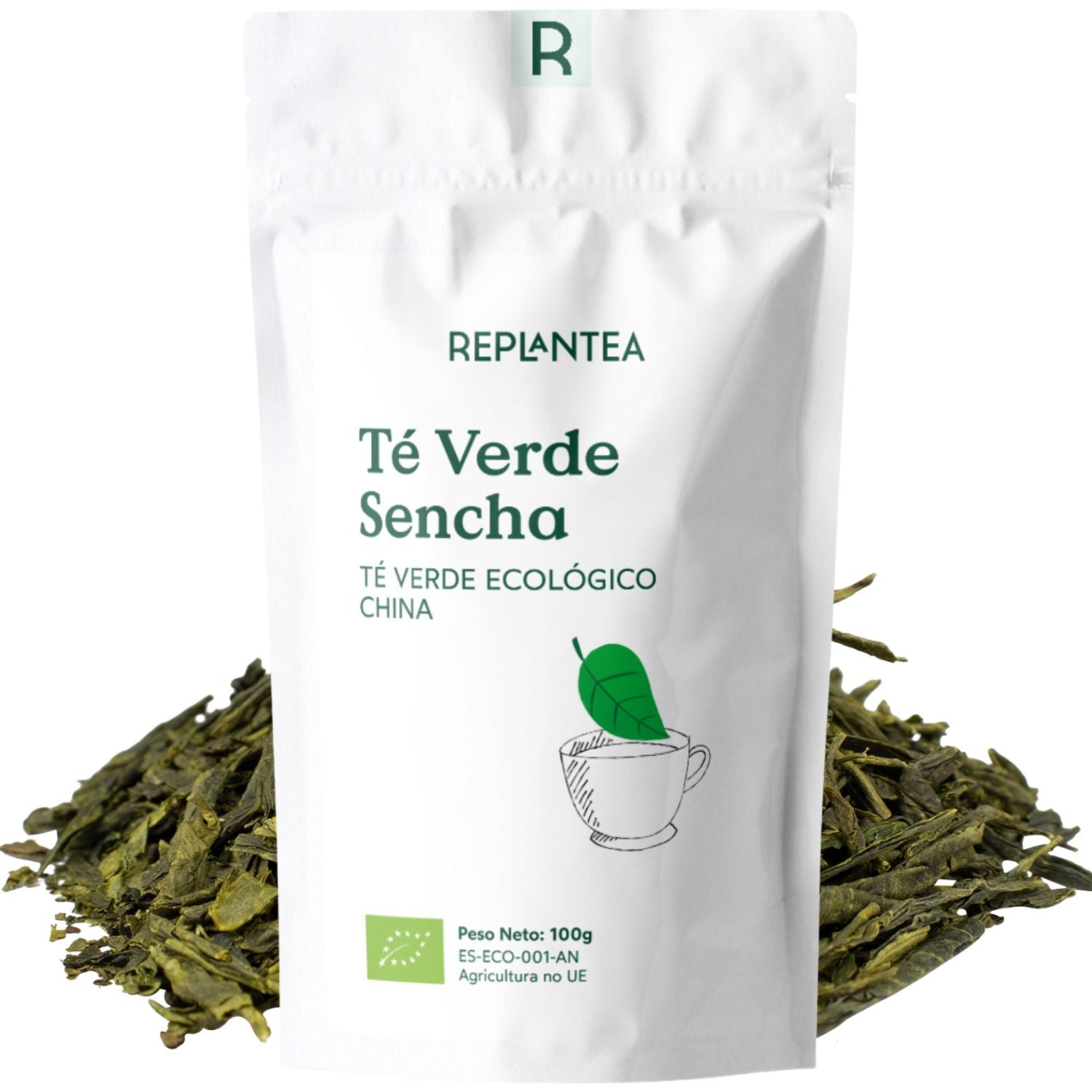
El gyokuro es el té verde más valorado de Japón y también el más exigente de preparar. Se cultiva bajo sombra durante las tres o cuatro semanas previas a la cosecha, un gesto agrícola que transforma por completo su química: más L-teanina, más clorofila y muchos menos taninos amargos. El resultado es una taza densa, dulce y profundamente umami, sin rastro de astringencia. Qué es el té gyokuro y por qué se cultiva en la sombra Gyokuro significa literalmente "rocío de jade", en referencia al color verde intenso del líquido. Como todos los tés verdes, procede de la planta Camellia sinensis, pero su elaboración incorpora un paso que ningún otro té comparte con tanta intensidad: el sombreado prolongado de los arbustos. Entre veinte y treinta días antes de la recolección, los agricultores cubren las plantaciones con mallas o esteras de paja que bloquean hasta el 90% de la luz solar. La planta reacciona a esa escasez de luz produciendo más clorofila para aprovechar cada fotón disponible. Al mismo tiempo, frena la conversión de aminoácidos en catequinas, que es el proceso que normalmente genera el amargor del té verde. Esa doble reacción explica el perfil del gyokuro. La L-teanina, el aminoácido responsable del sabor umami, se acumula en las hojas en lugar de degradarse. Los estudios agronómicos que han medido el efecto del sombreado sobre la composición de la hoja confirman que la duración y la intensidad de la sombra son los factores que más determinan la calidad final y el precio de mercado de este tipo de té. Después del sombreado viene la cosecha manual de los brotes más tiernos, el vaporizado al estilo japonés que detiene la oxidación en segundos, y el enrollado que da a las hojas su característica forma de aguja verde oscura y brillante. Máximo umami TÉ VERDE GYOKURO JAPONÉS Ecológico 100g (50 Tazas) | Té Gyokuro Premium de Hoja Suelta | Té de Especialidad REPLANTEA Cultivado bajo sombra para concentrar L-teanina y dulzor. 22,90 € Añadir a la cesta Los 6 beneficios del té gyokuro Muchas de las propiedades del gyokuro son comunes al té verde en general, pero su concentración inusual de L-teanina y su bajo nivel de catequinas amargas le dan un carácter propio. Conviene recordar que la evidencia sobre el té verde es prometedora en varias áreas y todavía poco concluyente en otras. 1. Aporta una calma alerta gracias a la L-teanina La L-teanina es el aminoácido estrella del gyokuro y el que explica su reputación de té "para pensar". Atraviesa la barrera hematoencefálica y se ha asociado a un aumento de la actividad de las ondas alfa cerebrales, el patrón que aparece cuando estamos relajados pero despiertos. Varios ensayos aleatorizados han estudiado la combinación de L-teanina y cafeína, y observaron mejoras en la precisión al alternar entre tareas y en la sensación subjetiva de alerta, junto a una menor distracción. En una taza de gyokuro esa pareja llega ya combinada de forma natural. 2. Ofrece energía sostenida sin el bajón del café El gyokuro contiene bastante teína, más que un sencha corriente, porque el sombreado también incrementa la cafeína en la hoja. Pero esa cafeína no llega sola: viaja acompañada de L-teanina, que suaviza su curva de absorción. El resultado que describe la mayoría de bebedores es una energía más plana y prolongada, sin el pico nervioso ni la caída posterior. Si te interesa el tema, en el blog comparamos la cafeína del café frente a la teína del té con más detalle. 3. Es muy rico en antioxidantes Como todo té verde, el gyokuro aporta polifenoles y catequinas, entre ellas la EGCG, que actúan como antioxidantes frente al estrés oxidativo celular. El sombreado reduce ligeramente las catequinas totales respecto a un té de pleno sol, pero la cantidad sigue siendo notable. Si quieres entender mejor cómo funcionan estos compuestos, tenemos una guía sobre los componentes antioxidantes del té. 4. Se asocia a un menor riesgo cardiovascular El consumo habitual de té verde se ha relacionado en poblaciones asiáticas con un riesgo menor de enfermedad coronaria, según revisiones del NCCIH. Los ensayos aleatorizados también apuntan a una reducción pequeña del colesterol total y del LDL, sin efectos sobre el HDL ni los triglicéridos. Son efectos modestos y no sustituyen a ningún tratamiento, pero cuadran con la idea de que el té es una bebida sensata dentro de una dieta equilibrada. 5. Cuida la boca y la hidratación diaria Las catequinas del té verde se han estudiado por su acción sobre la flora bucal, y tradicionalmente se usa el té sin azúcar como alternativa a los refrescos. Al beberse sin edulcorar, el gyokuro hidrata y aporta sabor sin calorías apreciables. Es un buen sustituto para quien quiere reducir el azúcar añadido sin renunciar a beber algo con carácter durante el día. Clásico de diario Té Verde Sencha Ecológico 100g El punto de entrada perfecto al té verde japonés. 8,90 € Añadir a la cesta Hoja molida Té Matcha Ceremonial Japonés Ecológico 50g También de sombra, pero molido y bebido entero. 12,90 € Añadir a la cesta Suave y bajo en teína Té Verde Kukicha Superior Ecológico 100g La alternativa ligera para la tarde. 9,90 € Añadir a la cesta 6. Convierte el momento del té en una pausa consciente Este beneficio no aparece en ningún ensayo clínico, pero es real. El gyokuro obliga a bajar el ritmo: agua templada, tiempos cortos, tetera pequeña, varias infusiones seguidas. Es incompatible con las prisas. Esa ritualidad, unida al efecto de la L-teanina, hace que mucha gente lo reserve para el momento del día en que necesita concentrarse de verdad. Cómo preparar el té gyokuro paso a paso Aquí está el error más común: preparar el gyokuro como un té verde cualquiera. Con agua a 80 o 90 grados destruyes su dulzor y sacas todo el amargor. La regla del gyokuro es agua fría para lo que suele ser el té. 1. Calienta y enfría el agua Lleva el agua a ebullición y déjala bajar hasta los 50-60 grados. Si no tienes termómetro, viértela de un recipiente a otro dos o tres veces: cada trasvase pierde unos 10 grados. 2. Usa más hoja de la habitual El gyokuro pide entre 4 y 5 gramos por cada 60-70 ml de agua, mucho más que la proporción habitual de té a granel. Es un té de tazas pequeñas y concentradas, no de mug grande. 3. Infusiona 90 segundos la primera vez Vierte el agua sobre las hojas y espera entre 90 y 120 segundos. Verás cómo la hoja se abre por completo y el líquido adquiere un verde amarillento espeso. 4. Reinfusiona dos o tres veces más La segunda infusión pide agua algo más caliente (unos 70 grados) y solo 30 segundos. La tercera admite 80 grados. Cada taza revela un matiz distinto, y aprovechar la hoja es parte del sentido de un té así. Tenemos una guía específica sobre cómo reinfusionar el té. Gyokuro, sencha y matcha: en qué se diferencian Los tres son tés verdes japoneses, pero no son intercambiables. El sencha crece a pleno sol, se infusiona a 70-80 grados y ofrece un perfil más fresco, vegetal y ligeramente astringente. Es el té de diario en Japón. El matcha también procede de hojas sombreadas, pero se muele hasta convertirse en polvo y se bebe entero, batido en el agua. Eso significa que ingieres la hoja completa, con más cafeína y más catequinas por taza. El gyokuro, en cambio, se infusiona y se descarta la hoja, aunque en Japón es habitual comerse las hojas resultantes aliñadas con un poco de salsa de soja. Si quieres una panorámica de la familia entera, en el blog repasamos el té verde japonés y sus variedades más populares. Contraindicaciones y precauciones del gyokuro El gyokuro es una de las variedades de té verde con más teína por gramo de hoja, así que conviene tener en cuenta algunas precauciones. Si eres sensible a la cafeína o sufres insomnio, evítalo a partir de media tarde. La L-teanina suaviza el efecto estimulante, pero no lo anula. Durante el embarazo y la lactancia, la recomendación general es no superar niveles moderados de cafeína; consulta con tu matrona o tu médico antes de incorporarlo a tu rutina. El té verde puede reducir la absorción del hierro no hemo, por lo que si tienes anemia es preferible beberlo entre comidas y no junto al plato. También se han descrito interacciones del té verde con algunos medicamentos, como el nadolol, la atorvastatina o el raloxifeno, según el NCCIH. Un apunte importante sobre los extractos: los organismos europeos han señalado que dosis iguales o superiores a 800 mg diarios de EGCG en forma de complemento alimenticio pueden elevar las transaminasas. Nada de eso aplica al té en infusión, que se considera seguro para adultos sanos, pero merece la pena distinguir entre la bebida y las cápsulas concentradas. Preguntas frecuentes sobre el té gyokuro ¿A qué sabe realmente el gyokuro? A caldo vegetal dulce, con notas de alga, guisante fresco y un final largo y sedoso. Es el té más umami que existe y su primera taza sorprende a casi todo el mundo por lo poco que se parece a lo que asociamos con "té verde". ¿Cuánta teína tiene el gyokuro? Bastante: el sombreado aumenta la cafeína en la hoja, así que por gramo suele superar al sencha. La proporción alta de hoja por taza también contribuye. Si buscas algo más suave para la tarde, el té kukicha es una alternativa mucho más ligera. ¿Por qué el gyokuro es tan caro? Porque el sombreado reduce el rendimiento de la cosecha, exige mano de obra adicional y solo se aplica a la primera recolección de primavera. Además, los brotes se recogen a mano. Es un té de pocas cantidades y mucho trabajo. ¿Se pueden comer las hojas después de infusionar? Sí, y en Japón es una costumbre extendida. Las hojas de gyokuro quedan tiernas y sabrosas; se sirven como ohitashi con unas gotas de salsa de soja y funcionan como una verdura más. Un té para tomárselo con calma El gyokuro no es un té de todos los días ni pretende serlo. Es el que abres cuando quieres dedicarle diez minutos a preparar bien algo, cuando necesitas concentración sin nervios o cuando quieres entender hasta dónde puede llegar una hoja de té. En Replantea lo seleccionamos ecológico y de origen japonés, junto al resto de nuestra familia de tés verdes, para que puedas empezar por el sencha y llegar al gyokuro cuando te apetezca dar el salto. Fuentes consultadas Toda la información de este artículo se apoya en publicaciones de instituciones sanitarias y estudios revisados por pares. Si quieres profundizar, estas son las referencias principales: Green Tea: Usefulness and Safety — NCCIH (National Institutes of Health) Scientific opinion on the safety of green tea catechins — EFSA Journal The effects of L-theanine, caffeine and their combination on cognition and mood — PubMed / Biological Psychology The combination of L-theanine and caffeine improves cognitive performance and increases subjective alertness — PubMed / Nutritional Neuroscience Optimizing the Quality and Commercial Value of Gyokuro-Styled Green Tea Grown in Australia — Beverages (MDPI) Green tea (Camellia sinensis) for the prevention of cancer — Cochrane Database of Systematic Reviews Esta información tiene fines divulgativos y no sustituye la consulta con un profesional sanitario. En caso de embarazo, lactancia, medicación crónica o condiciones médicas previas, consulta antes de incorporar nuevas infusiones a tu rutina.
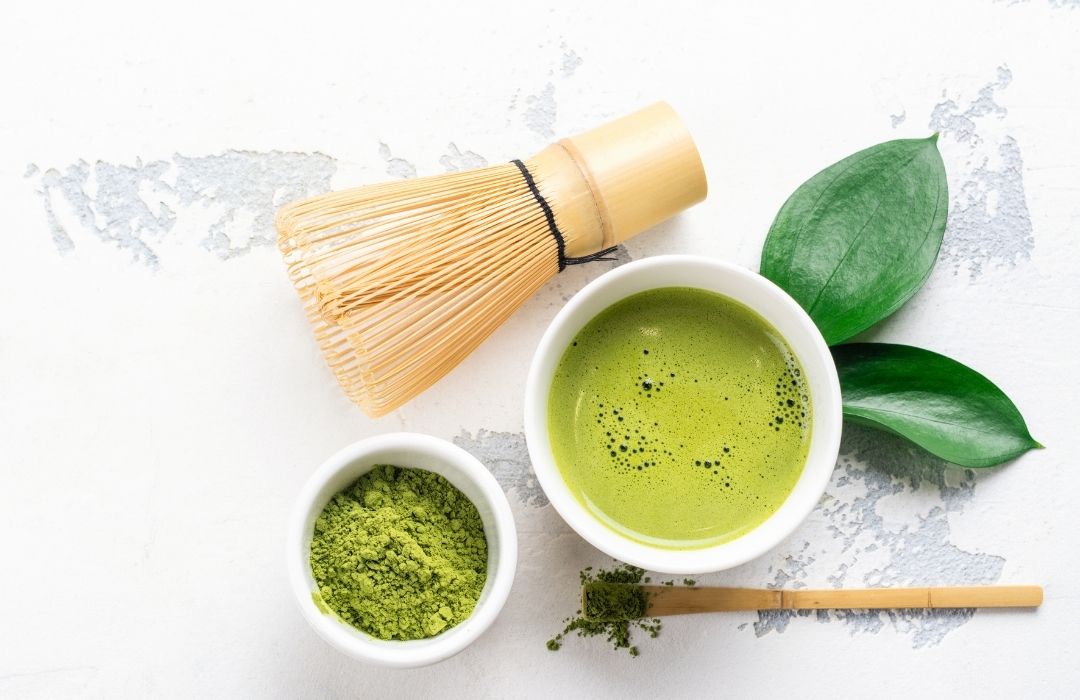
Cuenco chawan con té matcha y batidor de bambú

Té matcha en casa: cómo prepararlo paso a paso y los 4 errores más comunes

on Aug 28 2026
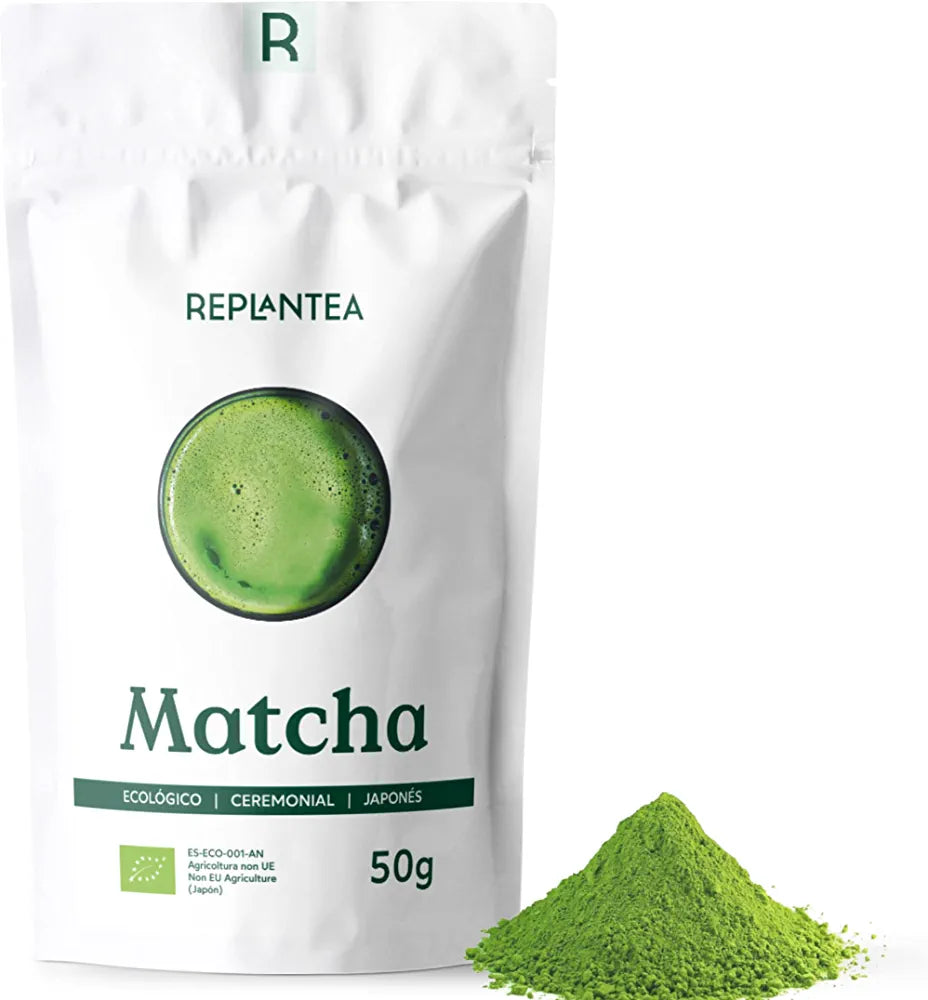
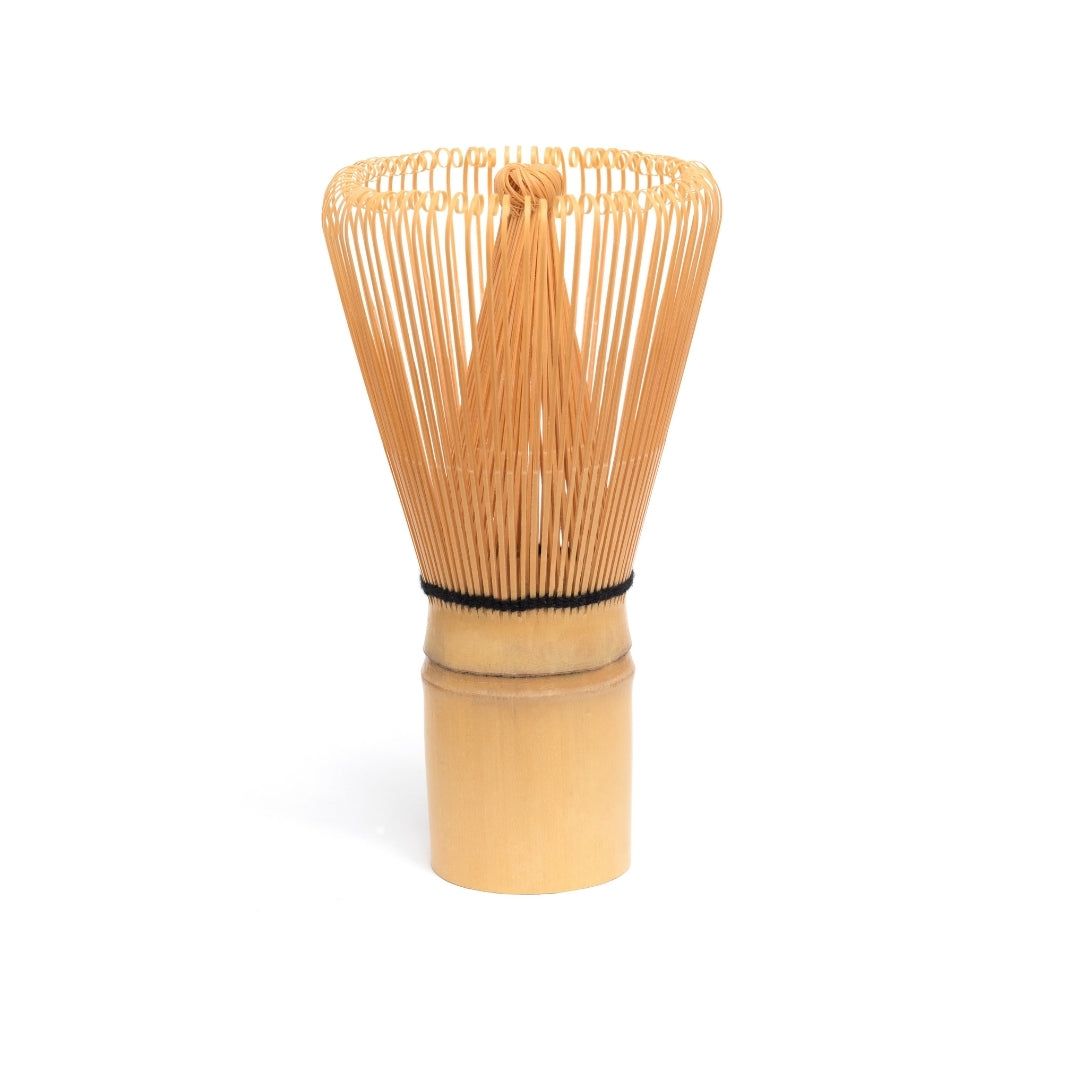
El matcha llegó a Japón hace casi mil años y sigue siendo uno de los rituales más exigentes de la cultura del té. A diferencia del té verde en hoja, se elabora con la hoja entera molida en polvo, así que en cada taza ingieres la planta completa. Esto cambia su preparación en casa: la temperatura del agua, la cantidad de polvo y los utensilios importan más que en ningún otro té. Si has probado matcha alguna vez y te pareció amargo, casi seguro fue por un fallo de preparación. Qué es el matcha y por qué se prepara distinto a un té verde de hoja El matcha es un té verde japonés cultivado a la sombra durante las tres o cuatro semanas previas a la cosecha. Esa sombra dispara la producción de clorofila y de L-teanina, el aminoácido responsable de su característico sabor umami y de esa sensación de energía calmada que distingue al matcha del café. Después, las hojas se cuecen al vapor, se secan y se muelen con piedra de granito hasta obtener un polvo verde brillante. Como no se infunde, sino que se bate, no extraes sólo los compuestos solubles: ingieres la hoja entera. Una taza de matcha concentra mucho más EGCG, cafeína y antioxidantes que una taza de sencha o gyokuro. Esa concentración explica también por qué cualquier fallo en la preparación se nota tanto: el polvo no perdona temperaturas altas ni dosis aproximadas. Si tienes curiosidad por las diferencias exactas entre el matcha y otros tés verdes, puedes leer nuestra comparativa entre té verde y matcha. Antes de continuar, conviene aclarar el grado del té que vas a usar. El matcha ceremonial está pensado para beberse solo, batido con agua. El culinario es más amargo y se usa en repostería o lattes. Si vas a empezar con la receta tradicional, busca siempre matcha ceremonial ecológico. Ceremonial Té Matcha Ceremonial Japonés Ecológico 50g Grado ceremonial japonés, ideal para preparar usucha batido con agua. 12,90 € Añadir a la cesta Cómo preparar té matcha en casa paso a paso La preparación tradicional japonesa se llama usucha (matcha ligero) y es la más sencilla para empezar. Necesitas tres utensilios: un cuenco amplio (chawan), una cuchara de bambú (chashaku) o cucharilla pequeña, y un batidor de bambú (chasen). Un colador fino o tamiz también ayuda. Si no tienes chasen, puedes usar un espumador eléctrico de leche en su lugar. 1. Calienta el agua a 70-80 °C Esta es la regla más importante. El agua hirviendo quema el polvo y libera taninos en exceso, lo que provoca ese sabor amargo y rasposo que muchos asocian (incorrectamente) al matcha. Si no tienes un hervidor con control de temperatura, hierve el agua y déjala reposar de tres a cuatro minutos antes de usarla, o pásala dos veces de un recipiente a otro para bajar unos 20 °C. 2. Tamiza 1-2 gramos de polvo en el cuenco Una cucharilla colmada de chashaku equivale a un gramo, aproximadamente. Tamizar el polvo a través de un colador fino rompe los grumos que se forman con la humedad ambiente y evita que el batidor luche contra pelotitas sólidas. Este paso parece accesorio, pero marca la diferencia entre un matcha sedoso y uno irregular. 3. Añade 60-70 ml de agua caliente No es una taza entera. El matcha tradicional es una bebida concentrada y corta, similar a un espresso. Vierte el agua sobre el polvo en el centro del cuenco. Si quieres una bebida menos intensa, prepara la base con esos 60-70 ml y luego añade agua templada hasta llenar la taza, en lugar de empezar con más agua y diluir el polvo. 4. Bate en zigzag durante 15-20 segundos Sujeta el cuenco con una mano y el chasen con la otra. Mueve la muñeca de forma rápida dibujando una "M" o una "W" sobre el polvo, sin tocar el fondo del cuenco. No se hacen movimientos circulares, se hacen movimientos rectos a gran velocidad. Cuando se forme una capa de espuma fina y cremosa en la superficie, está listo. Un matcha bien batido tiene burbujas pequeñas y uniformes, casi como un capuchino. 5. Bebe en pocos sorbos y enjuaga el chasen El matcha tradicional se bebe en dos o tres sorbos, mientras la espuma sigue intacta. Después, enjuaga el chasen con agua templada y déjalo secar sobre su soporte (kusenaoshi) para que las varillas no se deformen. No uses jabón ni lo guardes mojado: las varillas son finas y se rompen con facilidad si se aplastan dentro de un cajón. Premium TÉ VERDE GYOKURO JAPONÉS Ecológico 100g (50 Tazas) | Té Gyokuro Premium de Hoja Suelta | Té de Especialidad REPLANTEA Té verde de sombra con alta L-teanina y umami intenso para alternar con el matcha. 22,90 € Añadir a la cesta Diario Té Verde Sencha Ecológico 100g Té verde japonés clásico, fresco y suave, perfecto para el día a día. 8,90 € Añadir a la cesta Los 4 errores más comunes al preparar matcha en casa La mayoría de las personas que dicen no soportar el sabor del matcha han probado uno mal preparado. Casi siempre, el problema se reduce a uno de estos cuatro fallos. 1. Usar agua hirviendo Es el error número uno y el más fácil de corregir. El agua a 100 °C cocina el polvo en lugar de hidratarlo y libera compuestos amargos que tapan el dulzor umami. Si tu matcha sabe a hierba quemada, casi seguro es por esto. Como regla práctica: si te quemarías la lengua al probar el agua, está demasiado caliente para el matcha. 2. Comprar matcha culinario y esperar sabor ceremonial El matcha barato de supermercado suele ser culinario o de baja calidad. Estos polvos están pensados para mezclarse con leche, azúcar o repostería, donde los demás ingredientes enmascaran su amargor. Si vas a beberlo solo, batido con agua, necesitas matcha de grado ceremonial: hojas más jóvenes, color verde brillante (no amarillento) y aroma vegetal fresco. Profundizamos en los grados y la calidad en nuestra guía del té matcha. 3. Sobredosificar el polvo Más matcha no significa más sabor; significa más amargor. Una dosis correcta es de 1 a 2 gramos por taza, lo que equivale a una cucharilla rasa o ligeramente colmada de chashaku. Empieza siempre por la cantidad mínima y sube según tu paladar. Una taza con 4 gramos será desagradable incluso con un matcha excelente. 4. Saltarse el tamizado y batir mal El matcha apelmazado nunca disuelve del todo. Esos grumos verdes que se ven al final del cuenco son polvo que no se ha mezclado con el agua, y son los responsables de la textura terrosa que algunos describen. Tamiza siempre, bate rápido y en líneas rectas, y no llenes el cuenco con demasiada agua para que el batidor pueda moverse con holgura. Variaciones: matcha latte, en frío y usucha vs koicha Una vez controlas la receta base, las variantes son sencillas. Para un matcha latte caliente, prepara la base con 60 ml de agua y añade 150-180 ml de leche, vegetal o de vaca, templada a unos 60 °C. Si prefieres más cuerpo, monta la leche con un vaporizador antes de incorporarla. Tenemos una guía completa de matcha latte con proporciones, leches recomendadas y trucos para que no se separe. El matcha frío es ideal en verano: bate el polvo con 30 ml de agua templada hasta integrarlo, llena el resto del vaso con hielo y agua fría, y agita en una coctelera. Un chorrito de limón estabiliza las catequinas y ayuda a mantener el color verde. El koicha o matcha espeso duplica la dosis hasta 3-4 gramos con sólo 30-40 ml de agua, y se amasa más que se bate. Es el matcha de las ceremonias formales japonesas y exige una calidad ceremonial muy alta, porque cualquier amargor se concentra. Contraindicaciones y precauciones El matcha es seguro para la mayoría de adultos en dosis moderadas, pero conviene tener en cuenta su perfil. Una taza contiene entre 60 y 80 mg de cafeína, una cifra similar a la de un café espresso. Por eso no se recomienda durante el embarazo y la lactancia, ni en personas con ansiedad, hipertensión, insomnio o arritmias. Si tomas medicación de forma habitual, conviene consultar al médico antes de incorporarlo a tu rutina. Las catequinas y la cafeína pueden reducir la absorción de hierro si se bebe junto a las comidas; lo más cómodo es espaciarlo una hora antes o después. También puede interactuar con anticoagulantes, betabloqueantes y algunos antidepresivos. Para reducir el efecto estimulante sin renunciar al ritual, una opción es alternar matcha por la mañana con otras variedades de té verde japonés menos concentradas el resto del día. Lo más práctico: tómalo antes de las 16:00, no superes dos tazas al día, y guarda el polvo en la nevera dentro de un recipiente hermético para preservar la L-teanina y los antioxidantes. Preguntas frecuentes sobre cómo preparar té matcha en casa ¿Puedo preparar matcha sin chasen? Sí. Un espumador eléctrico de leche, un vaso con tapa hermética que puedas agitar, o incluso un tarro de cristal con cierre funcionan razonablemente bien. La textura no será tan sedosa como con un chasen de bambú, pero el sabor estará prácticamente igual si respetas temperatura y dosis. ¿Cuántas veces al día se puede tomar matcha? Lo habitual es una o dos tazas al día, preferentemente por la mañana o al mediodía. Por encima de eso, la cantidad de cafeína se acerca a la de tres cafés y puede causar nerviosismo, taquicardia o insomnio. Si lo usas para sustituir el café, una sola taza diaria suele ser suficiente para mantener la energía sin sobresaltos. ¿Por qué mi matcha se separa al enfriarse? El polvo de matcha está en suspensión, no disuelto. Cuando el agua se enfría, las partículas tienden a sedimentar al fondo. Es normal. Bébelo recién hecho o agita ligeramente antes de cada sorbo. En frío conviene usar coctelera para mantenerlo emulsionado. ¿Cuánto dura un paquete de matcha abierto? Una vez abierto, el matcha pierde color y aroma con rapidez por la oxidación. Lo recomendable es consumirlo en unas seis u ocho semanas y guardarlo en la nevera dentro de su bolsa original o en un recipiente opaco y hermético. Si ves que el verde se vuelve amarillento o el aroma se apaga, ha pasado su mejor momento. Preparar matcha en casa es un ritual que mejora con la práctica: en dos semanas, el gesto de batir se vuelve automático. Si quieres empezar con buen pie, en Replantea seleccionamos un matcha ceremonial japonés ecológico para quienes acaban de descubrirlo, y variedades como el gyokuro o el sencha para explorar otros tés verdes japoneses. Fuentes consultadas Toda la información de este artículo se apoya en publicaciones de instituciones sanitarias y estudios revisados por pares. Si quieres profundizar, estas son las referencias principales: Health Benefits and Chemical Composition of Matcha Green Tea: A Review — PMC - NIH The therapeutic potential of matcha tea: A critical review on human and animal studies — PMC - NIH Matcha: A look at possible health benefits — Harvard Health Publishing Stress-Reducing Function of Matcha Green Tea in Animal Experiments and Clinical Trials — PMC - NIH 10 Reasons Green Tea Is Good for You — Cleveland Clinic Esta información tiene fines divulgativos y no sustituye la consulta con un profesional sanitario. En caso de embarazo, lactancia, medicación crónica o condiciones médicas previas, consulta antes de incorporar nuevas infusiones a tu rutina.
Te verde para adelgazar

Best green tea for weight loss in 2023

on Jan 08 2023
Green tea has been used since ancient times for its physical health benefits and calming effects. Modern scientific studies support these ancient beliefs; many people promote its positive effect on weight management and loss by boosting metabolism and energy.
Té verde japonés

Japanese Green Tea and Its Most Popular Varieties

on Mar 09 2022
In this brief article, we'll delve into everything surrounding Japanese green tea: its history, health benefits, how to prepare it, and the best varieties.
Las 7 mejores infusiones para los sofocos de la menopausia

The 7 Best Infusions for Menopausal Hot Flashes

on Mar 05 2022
At this stage, it's important to seek medical attention or expert help, but there are also ways to relieve these symptoms, such as some natural infusions that can be a healthy and effective option.
tes e infusiones para reducir trigliceridos

The Best Teas and Infusions to Reduce High Triglycerides

on Feb 26 2022
The healing benefits of teas and infusions have been used around the world for centuries, and modern science is catching up. Research shows that infusions can treat certain conditions, such as high blood triglycerides.
Infusión de ortiga para la infección de orina

5 Infusions for Urinary Tract Infections You Should Know

on Feb 25 2022
Urinary tract infections are one of the most common bacterial infections worldwide, with an estimated 150 million people suffering from them each year.
Infusión para la retención de líquidos

What is the Best Infusion for Fluid Retention?

on Feb 25 2022
Most herbal teas are diuretic to some extent, as they increase water intake and, consequently, urine production. However, there are some plants that seem to have a stronger diuretic effect.
Té Verde Genmaicha Japonés

Genmaicha, the Japanese green tea with toasted rice

on Feb 25 2022
Genmaicha tea offers a twist on classic Japanese green teas with a fresh grassy flavor. This tea, made from toasted rice, has a nutty flavor, creating a unique experience you won't find in other green teas.
Cómo preparar té matcha

How to Prepare Matcha Tea Correctly

on Feb 25 2022
What is matcha tea | How to make matcha tea | What not to do when making matcha tea | Where to buy matcha tea Matcha tea is the king of teas. This Japanese green tea is so pure, unique, and complex that it has no rival in the tea world. In Asia, it's revered for its health benefits and is the star of the Japanese tea ceremony. Read on to learn how to prepare it optimally. What is matcha tea? Matcha is a finely powdered green tea traditionally used in the Japanese tea ceremony . In the 12th century, when the monk Eisai introduced tea to Japan, it was customary in China to grind the leaves into a powder before beating them in a bowl. This was the era of beaten tea. This preparation method, later abandoned by the Chinese, was adopted by the Japanese, who incorporated it into the Chanoyu ritual. The finest matcha tea comes from the indoor plantations of the Uji region. After processing, the leaves undergo a specific sorting process. To produce plant material that can be easily ground into a fine powder, the veins are removed from the leaves. This produces tencha, which is ground between millstones . RELATED INFORMATION Matcha Tea Guide: Benefits, Grades, Accessories How to prepare matcha tea correctly? The preparation method for matcha tea is very different from other teas. Instead of boiling or infusing it, matcha tea is simply dissolved in hot water . However, to properly dissolve matcha powder, you need more than just a teapot and a spoon. Brewing a perfect cup of this tea is an art in Japan. To prepare matcha tea at home, you will need these accessories : A chawan or bowl A chashaku or measuring spoon A chasen or bamboo whisk A colander You can replace the chawan and chashaku with a regular bowl and spoon, but this will take away the magic and sophistication of the matcha preparation ritual. These are the steps for preparing matcha tea the traditional way : Place all the utensils on the table in front of you in an orderly manner. Use filtered or mineral water. Bring it to a boil and let it cool for two minutes (approximately 80°C). While you wait for the water to cool, preheat the chawan or bowl with hot water and dry it with a kitchen towel. Pass two measures of chashaku or half a teaspoon of matcha through the sieve over the chawan or bowl. Pour about 70 ml of the water you have heated into the chawan or bowl. Beat with the chasen or bamboo whisk, making "w"-shaped movements until you obtain a smooth liquid with a light foam. Drink the matcha tea next. Clean utensils with hot or warm water after use. RELATED INFORMATION How to Make the Best Matcha Latte? Recipe and Tips Things you shouldn't do when preparing matcha tea For an optimal experience with your matcha tea, here's a list of common mistakes people make when preparing this tea to keep in mind: Never use a wet measuring spoon when scooping matcha powder. This would cause the matcha in the tin to spoil much more quickly. Don't use boiling water when preparing matcha. Let it cool for a few minutes, or if you have a tea thermometer , wait until the water reaches 80°C. Don't use unsifted matcha powder. Everyone has a sieve at home. Sifting it prevents clumps of powder from remaining in the bowl. Whisk the matcha powder vigorously, but do so carefully and without pressing the chasen against the bottom of the bowl, as it could break. Don't wait for matcha to cool before drinking it, as it will lose its flavor and creamy texture. Don't forget to clean the chasen after using it, or it will be very difficult to clean later. Where to buy matcha tea? Nowadays, it's easy to find matcha tea in supermarkets, but we recommend purchasing it from specialty tea shops. Make sure the matcha tea is Japanese and ceremonial grade, which is the type used in the Japanese tea ceremony. At Replantea, you can buy 100% organic, ceremonial-grade Japanese matcha tea . You'll also find all the necessary accessories and matcha starter packs . RELATED INFORMATION Matcha Tea Helps Lose Weight, Increases Energy and Relaxation 4 Benefits of Matcha for Your Skin
Té Dragon Well o Lung Ching

Introduction to Chinese Dragon Well Green Tea

on Feb 25 2022
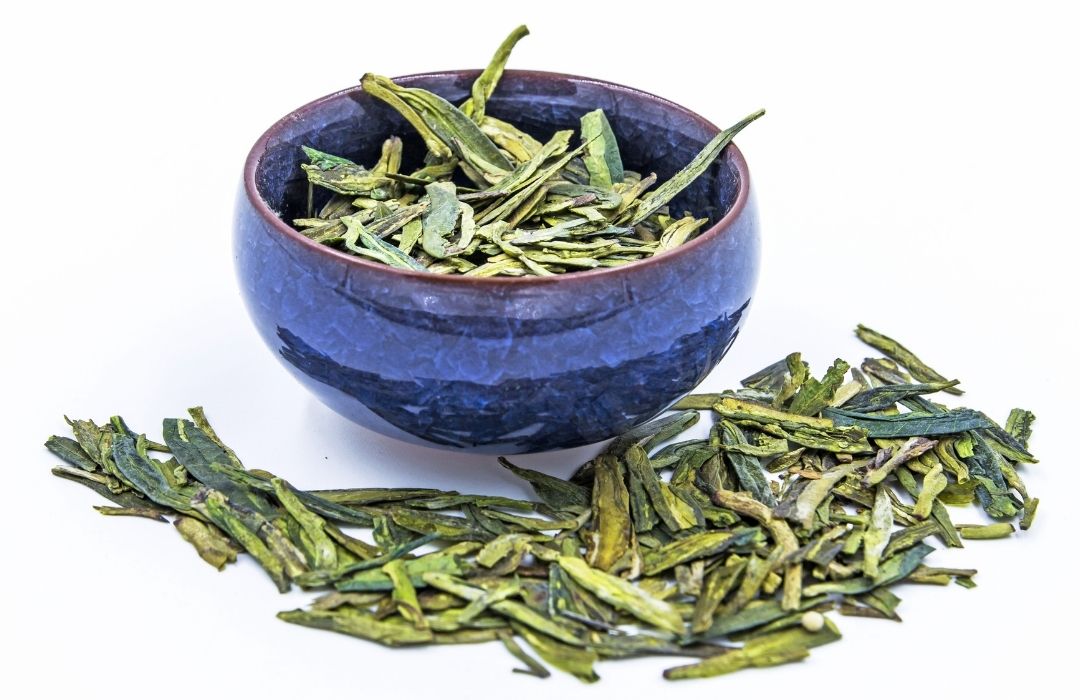
Dragon Well tea, also known as Lung Ching, is a roasted green tea from Zhejiang Province, China. This tea is known as one of the highest quality teas in the world and has an antioxidant content similar to that of matcha tea.
Té kukicha japonés

Japanese Kukicha Tea: Properties and Benefits

on Feb 25 2022
Kukicha tea is one of those hidden gems, a Japanese green tea made with stems and twigs instead of leaves. In this post, I'll tell you all about its properties, preparation, and some interesting facts.
Té moruno y menta fresca

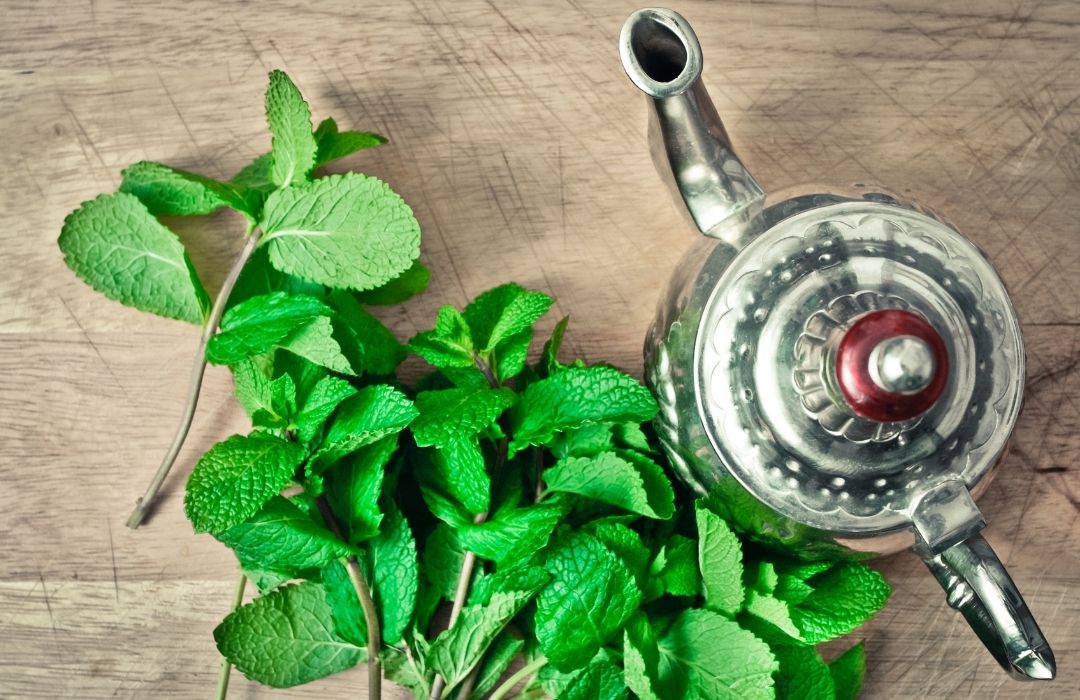
How to make Moroccan Tea

on Feb 25 2022
If you ever have the chance to visit Morocco, you have to try Moroccan tea. This unique tea holds great cultural and social significance, and it's delicious too. Read on to learn more about its history and learn how to make it at home.
Té verde, jengibre y limón

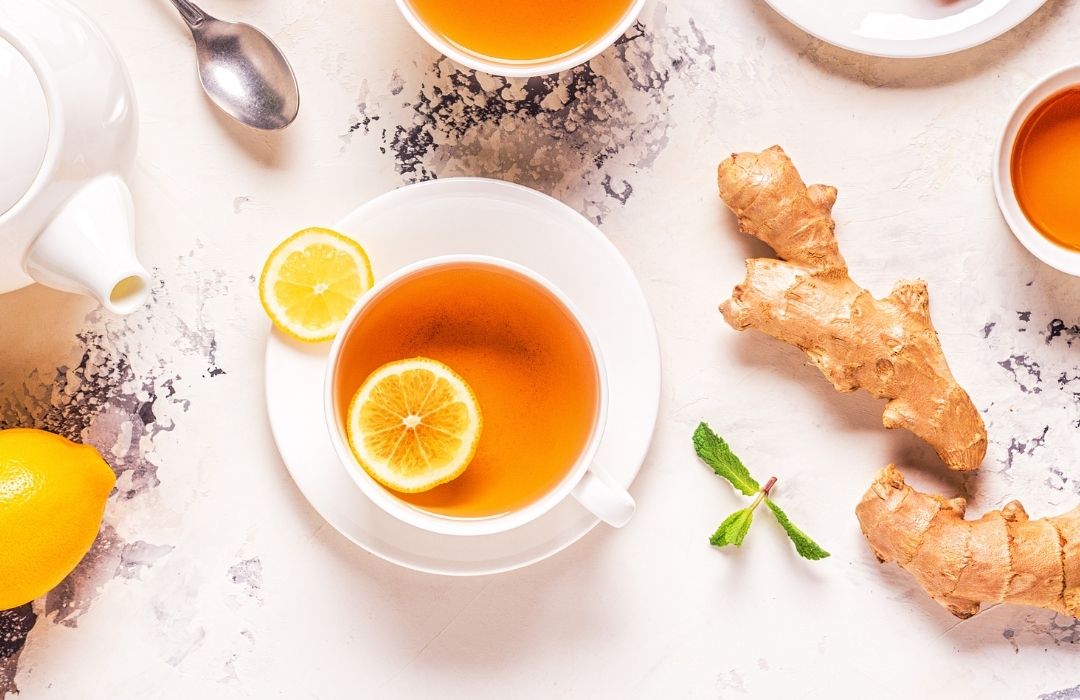
Green Tea, Ginger and Lemon: The Perfect Detox Infusion

on Feb 25 2022
Many people drink this infusion for its detox properties or to help with weight loss. Read on to learn more about its benefits.
Té verde

Green Tea and its Properties

on Feb 25 2022
Green tea has been a popular beverage in Asia for centuries, forming part of the culture and traditions of China and Japan, even being used in the treatment of various diseases due to its health-promoting properties.
Té negro y Té verde

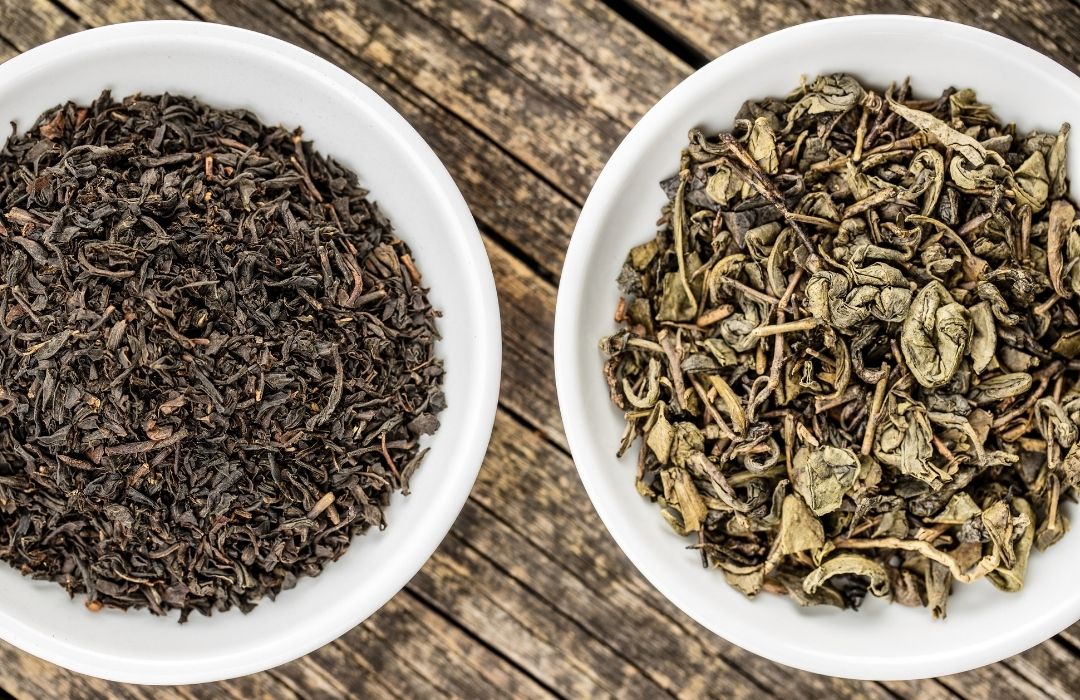
Black Tea and Green Tea, Which is Healthier?

on Feb 25 2022
What is black tea | What is green tea Which is healthier? Tea is one of the most popular beverages in the world and can be found on virtually every corner. It comes in hundreds of varieties, each with a unique flavor, aroma, and fascinating story. This immense variety can make it difficult to decide which tea is best for your health. Even within the two main tea categories, black tea and green tea, there are multiple varieties that vary in flavor, composition, and brewing method . In this brief guide, we break down the differences and health benefits of black and green teas so you can decide which one is best for you. What is black tea? Black tea is made from the leaves of the Camellia sinensis plant , primarily in three countries: China, India, and Sri Lanka . In China, it is grown in the Anhyi and Yunnan regions. In India, the most important regions are Darjeeling and Assam. Sri Lankan black teas are called Ceylon, after the country's former name. Black tea: preparation The main difference between black tea and green tea is the production process. While green tea is not oxidized, black tea is almost completely oxidized. Black tea leaves are harvested and withered to reduce moisture content. They are then rolled to create tiny fissures in the leaves that allow enzymes to interact with oxygen. The rolled leaves are then spread on trays where oxygen turns them black. Finally, the leaves are fired in kilns to prevent oxidation, and then packaged. When to drink black tea? Black tea contains between 50 and 90 mg of caffeine, although blends of black tea and other ingredients, such as Earl Grey or Chai tea, contain less caffeine. It's important to keep this in mind when it's best to drink black tea. It is best to drink black tea during the day , this way we ensure that the stimulating effects of the caffeine have disappeared by the time we go to bed. Drinking black tea about 30 minutes after lunch is a great option, as black tea is very digestive and will help you feel less heavy and have energy to continue the rest of the day. RELATED INFORMATION Discover the World's Best Black Teas What is green tea? Green tea is one of the least processed teas; only white teas have a simpler production method. Green tea, like black tea, is made from the leaves of the Camellia sinensis plant. The largest producers and consumers of green tea are China and Japan. Green tea: preparation Each of these countries has its own green tea production system . In Japan, tea plants are shaded during the final weeks before harvest to increase their chlorophyll content. After harvesting, they are steam-dried, which gives Japanese green teas their characteristic vegetal and herbaceous flavor. In China, green tea leaves are brewed in large pots, giving these teas a more robust flavor with a more earthy and toasty taste. When to drink green tea? Green tea contains between 25 and 35 mg of caffeine, with the exception of matcha tea, which contains up to 60 mg. Green tea is often recommended as a coffee substitute. This is because green tea contains L-theanine, a compound that slows the absorption of caffeine, making the stimulating effect on our body longer and more sustained, avoiding the energy spikes associated with coffee consumption. Green tea is a great beverage to have in the morning , but be sure not to drink it on an empty stomach, as it can cause irritation. Green tea can help you start the day energized as it also has the ability to boost your metabolism. It is recommended to drink the last cup of green tea of ​​the day about 2 or 3 hours before going to sleep to ensure that the stimulating effect of the caffeine does not affect sleep. Black tea and green tea, which is healthier? Many people know that drinking tea can be beneficial for their health. But how do you know which is better for you? We've compiled a short list of the benefits of black tea and green tea so you can decide for yourself. Black tea: benefits and properties The enzymatic oxidation generated in tea leaves during black tea production converts some of the catechins into theaflavins and thearubigins, while also destroying some of the vitamins. Since some of the components vary from those of green tea, some of its benefits and properties also vary. Helps with weight loss: Black tea can help you lose weight and stay in shape. Its caffeine content speeds up your metabolism. It also speeds up digestion, allowing your body to burn fat more efficiently. Because it's calorie-free, black tea is a great substitute for other sugary energy drinks. Reduces cholesterol: When we have a high level of "bad" cholesterol in the body, it can clog arteries, which can lead to heart problems and even heart attacks. Some studies have found that drinking black tea can reduce "bad" cholesterol by up to 11% in individuals with slightly elevated levels. Reduce your risk of stroke: A stroke occurs when a blood vessel in the brain becomes blocked or ruptures. The good news is that up to 80% of strokes can be prevented by controlling your diet, exercising, or not smoking. A study conducted over 10 years on 74,000 people concluded that those who drank black tea daily had a 32% lower risk of stroke. These are Replantea's 100% organic black teas . Buy black tea on Amazon >> Green tea: benefits and properties According to recent studies, green teas have a higher polyphenol content than other types of tea, including black tea. This enhances their antioxidant power. Green tea's less interventionist production method also means it retains more iron and vitamin content than green tea. Improves brain function: Green tea contains theine and L-theanine. The theine in green tea acts as a stimulant differently than coffee. The caffeine in tea is released in a more controlled manner in the body, maintaining its effects for longer but without causing the nervousness attributed to the caffeine in coffee. L-theanine is an amino acid that increases the activity of the GABA neurotransmitter, having anxiolytic effects and increasing dopamine, resulting in relaxation and greater concentration. Helps with weight loss: Green tea also helps with weight loss when combined with a healthy diet and exercise. For this reason, green tea is one of the main ingredients in many weight-loss supplements. The catechins and theine present in green tea speed up the metabolism, which makes fat burning faster. It can prevent numerous diseases: The antioxidants in green tea can not only help eliminate toxins from your body, they can also prevent serious diseases. Antioxidants work to eliminate free radicals that cause oxidative damage to cells. This oxidative stress is responsible for diseases such as Alzheimer's and heart disease. These are Replantea's 100% organic green teas . Buy green tea on Amazon >> Choose your favorite tea Both black tea and green tea contain powerful compounds that provide numerous health benefits. Both help maintain a healthy immune system, promote heart health, and contribute to weight loss. Deciding which one is best for you will depend on your situation and tastes. The great thing about tea is that you can switch to another type whenever you want and choose from the immense variety of flavors and aromas it offers. Whichever tea you choose will be a healthy, calorie-free, and completely natural beverage, and simply replacing it with other sugary drinks will provide you with great benefits. We recommend that you consume loose organic teas whenever possible. This way, you avoid consuming harmful chemicals derived from pesticides and fertilizers. RELATED INFORMATION Antioxidant Components of Tea: Polyphenols and Catechins All About L-Theanine: How It Works and Its Benefits Sources - Korystova AF, Kublik LN, Samokhvalova TV, Shaposhnikova VV, Korystov YN. Black tea is more effective than green tea in prevention of radiation-induced oxidative stress in the aorta of rats. Biomed Pharmacother. 2021 Aug 20;142:112064. - Ren-You Gan, Hua-Bin Li, Zhong-Quan Sui & Harold Corke (2018) Absorption, metabolism, anti-cancer effect and molecular targets of epigallocatechin gallate (EGCG): An updated review, Critical Reviews in Food Science and Nutrition, 58:6, 924-941. - Siro I. Trevisanato, Ph D, Young In Kim, MD, FRCP(C), Tea and Health , Nutrition Reviews , Volume 58, Issue 1, January 2000, Pages 1–10. - Arpita Basu, PhD, Edralin A. Lucas, PhD, Mechanisms and Effects of Green Tea on Cardiovascular Health , Nutrition Reviews , Volume 65, Issue 8, August 2007, Pages 361–375. - Jochmann, N., Lorenz, M., Krosigk, A., Martus, P., Böhm, V., Baumann, G., . . . Stangl, V. (2008). The efficacy of black tea in ameliorating endothelial function is equivalent to that of green tea . British Journal of Nutrition, 99 (4), 863-868. - Persson, I., Persson, K., Hägg, S., & Andersson, R. (2010). Effects of green tea, black tea and Rooibos tea on angiotensin-converting enzyme and nitric oxide in healthy volunteers. Public Health Nutrition, 13 (5), 730-737.

Preparando té

Tea for Beginners: Which to Choose and How to Prepare It?

on Feb 25 2022
Drinking a cup of tea a day is a great way to stay healthy and happy. Tea is a complex beverage with different flavors, varieties, and preparation methods that depend on the growing regions, traditions, and production methods. This leads to thousands of types of tea, a nearly endless world if we include herbal infusions.
Tés para adelgazar

The Best Teas for Weight Loss

on Feb 22 2022
Instead of drinking sugary sodas and taking diet pills, simply incorporate one of these teas into your daily routine. These slimming teas will help you lose weight faster, while you enjoy the process.
Las 7 mejores infusiones para el dolor de cabeza según la evidencia

The 7 Best Infusions for Headaches

on Feb 21 2022
When you have a nagging headache, preparing a herbal tea probably isn't your priority. But some herbal teas can be really helpful. Discover the best herbal teas for headache and migraine relief.
Té y meditación: por qué son la combinación perfecta (y cómo aprovecharla)

Tea and Meditation, A Perfect Combination?

on Feb 18 2022
In addition to being a natural source of caffeine, tea is packed with other healthy plant compounds, many of which also have properties that positively affect the mind. For example, tea contains L-theanine, which is calming, and some research suggests that antioxidant polyphenols in tea, such as EGCG, may also affect our mental state. Probably for these reasons, tea has been an indispensable part of meditation in many cultures for thousands of years. Read on to discover the ins and outs of this ancient and revered combination, and learn how you can apply it to your daily life to achieve greater peace and focus. Tea and meditation in history There is a famous legend about the origin of tea in China. It tells of a monk of Persian origin named Bodhidharma, who lived in China under the reign of Emperor Wu of Liang, in the 6th century. It is said that Bodhiddaharma had a strong will and determination, and that he once meditated for seven years. After meditating, he slept for two years, and upon waking, he was so frustrated at having lost consciousness that he took off his eyelids and threw them to the ground. This way, he would never fall asleep again while meditating. The legend continues, explaining that over time, the eyelids became the first tea plants and have since helped all monks gain more energy and focus during meditation. This is just a legend, but historians believe that Zen monks spread the Camellia sinensis plant throughout China and later to Japan and other countries, while promoting Buddhism and meditation. How does tea help you during meditation? By examining existing research linking tea compounds to the human brain, we can see how drinking tea promotes the mental qualities required for meditation. Theine reduces the feeling of sleepiness If you've ever meditated, you've probably noticed sleepiness at some point. Relaxing and letting go sometimes leads to states of bliss, but other times it can lead to an unwanted slumber. If you drink a cup of tea at least 30 minutes before meditation, you're less likely to spend the session struggling to stay awake. You'll also be interested to know that the caffeine in tea works differently than the caffeine in coffee. The stimulating effects of theine are released in a more sustained and measured manner, without causing highs and lows or jitters. You can read in-depth about the differences between theine and caffeine in the article "Drink Coffee or Tea? Caffeine or Theine?" . L-theanine increases concentration and calmness L-theanine is an amino acid found in tea that promotes alpha brain wave activity. Alpha waves are associated with a state of calm concentration. Meditation generates alpha waves in the same way that L-theanine does. Perhaps it's no coincidence that matcha tea, the tea with the highest L-theanine content, has been a favorite of Buddhist monks for hundreds of years. If you want to learn more about L-theanine, you can read our article All About L-Theanine: How It Works and Its Benefits. EGCG promotes states of happiness Tea catechins, such as EGCG or epigallocatechin gallate, also have calming and mood-enhancing effects through cannabinoid receptors. These receptors are involved in several physiological processes, including appetite, pain sensation, mood, and memory. These receptors are often activated by exercise, yoga, meditation, or deep breathing. We tell you all about the polyphenols and catechins in tea in our article Antioxidant Components of Tea: Polyphenols and Catechins How to enhance meditation by drinking tea? It is very easy to take advantage of the benefits of tea to enhance meditation. The most important thing is to manage your time. Make sure you drink your tea at least 30 minutes before beginning your meditation, so you give the theine and other compounds in the tea time to take effect. If you enjoy tea, drinking it mindfully, taking time to prepare it, and delighting in its aroma and flavor can be a meditation in itself, and you can use it as a warm-up for the following meditation session. After preparing the tea, sit in a comfortable, quiet place and engage all your senses as you begin to focus your attention on the tea. Think about the feel of the cup, the temperature, the weight. Smell the tea and inhale the aroma, think about the color of the infusion and how the liquid moves inside the cup. Finally, when you take a sip of tea, pay attention to how your body feels, your breathing, your posture, etc. The goal is to focus your attention as much as possible on drinking tea, but do so in a relaxed manner. Once you finish drinking the tea, you can redirect your thoughts to another activity or you can begin your meditation session as you normally would. Enjoy the benefits of tea and meditation Monks may have been the first to link tea and meditation. Historians have established that it was Zen monks who spread tea throughout Asia, while also introducing Buddhism and meditation practices. The benefits of drinking tea and meditating overlap in many cases, so it's no wonder they even enhance each other.